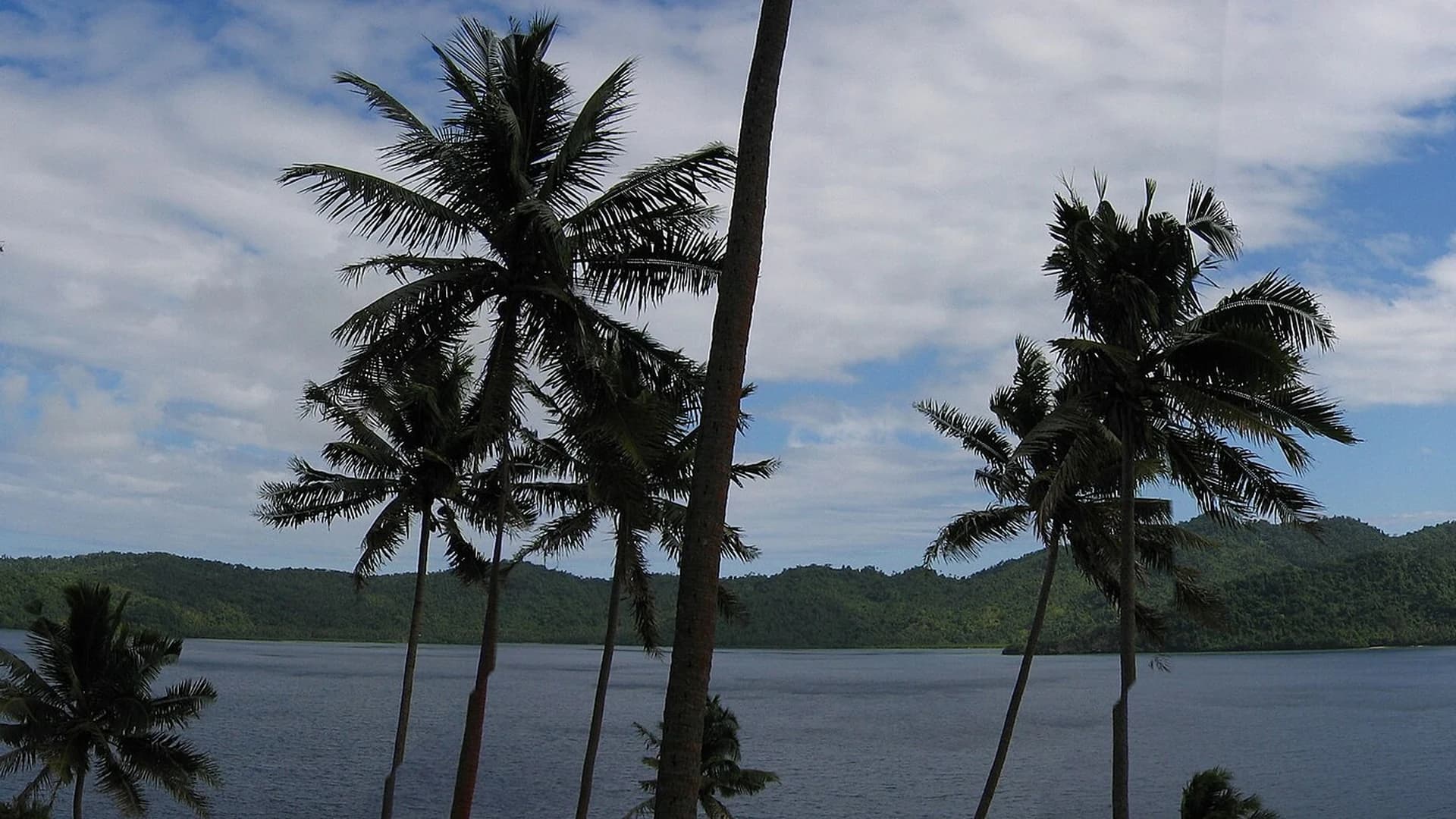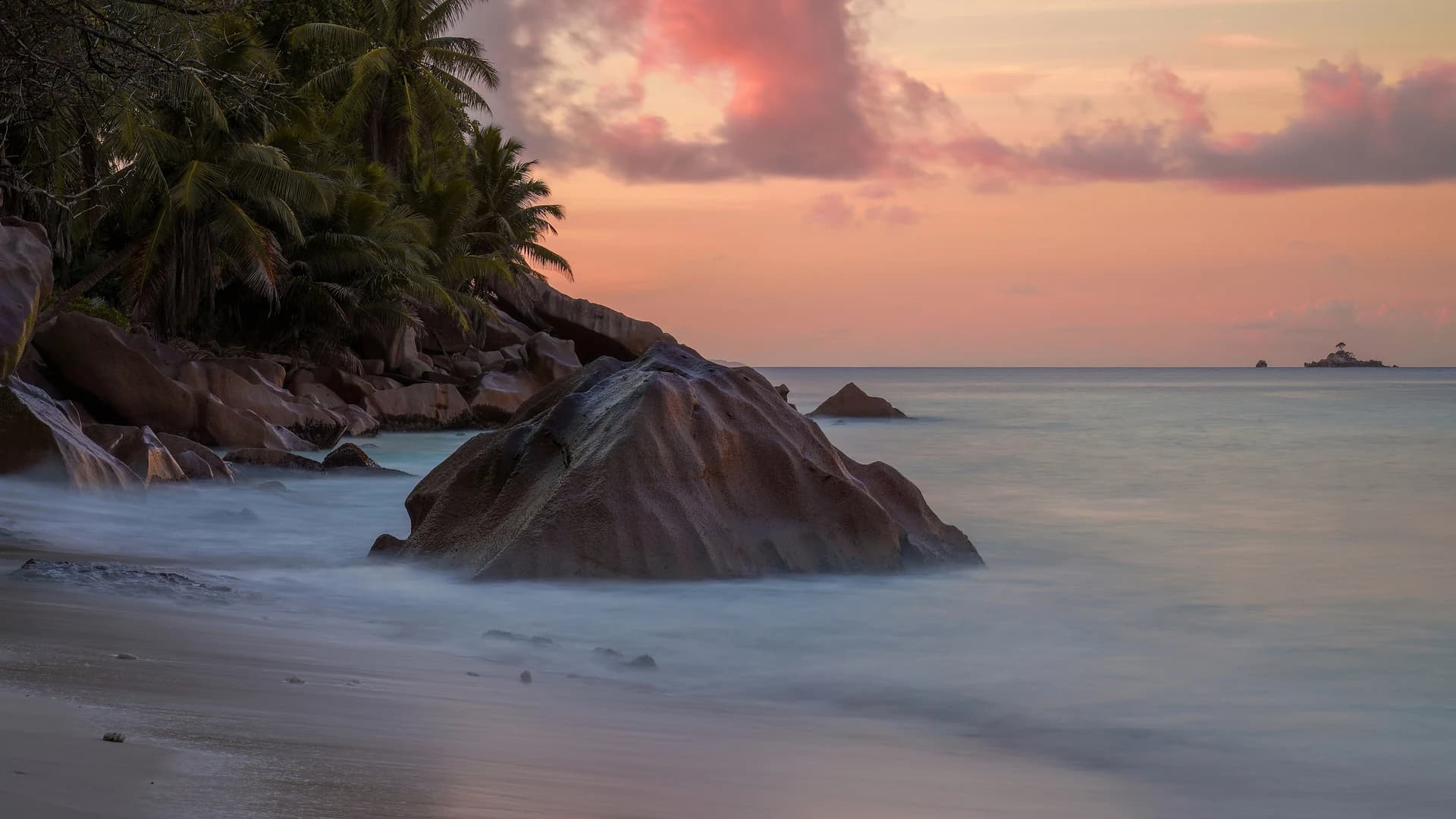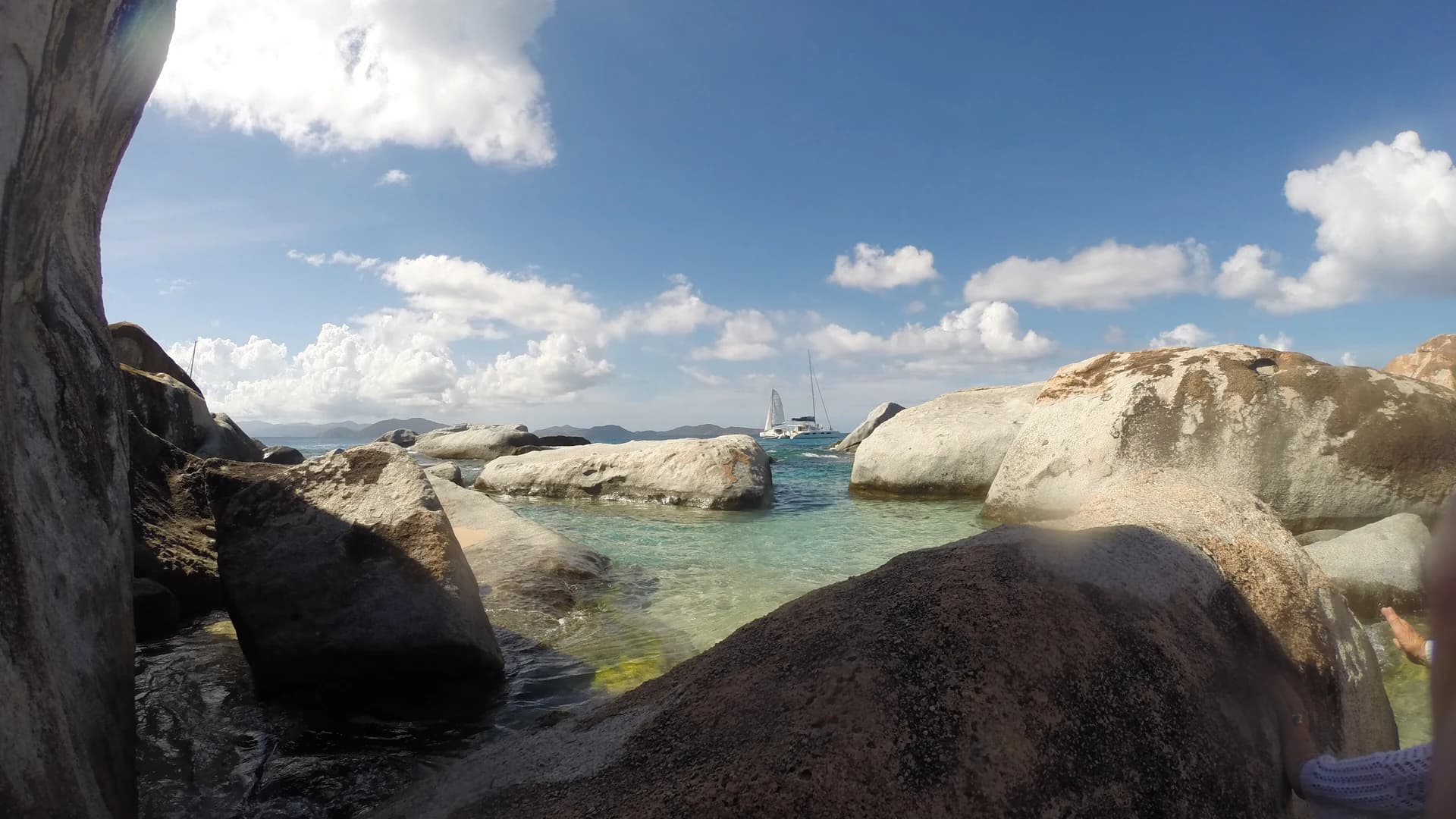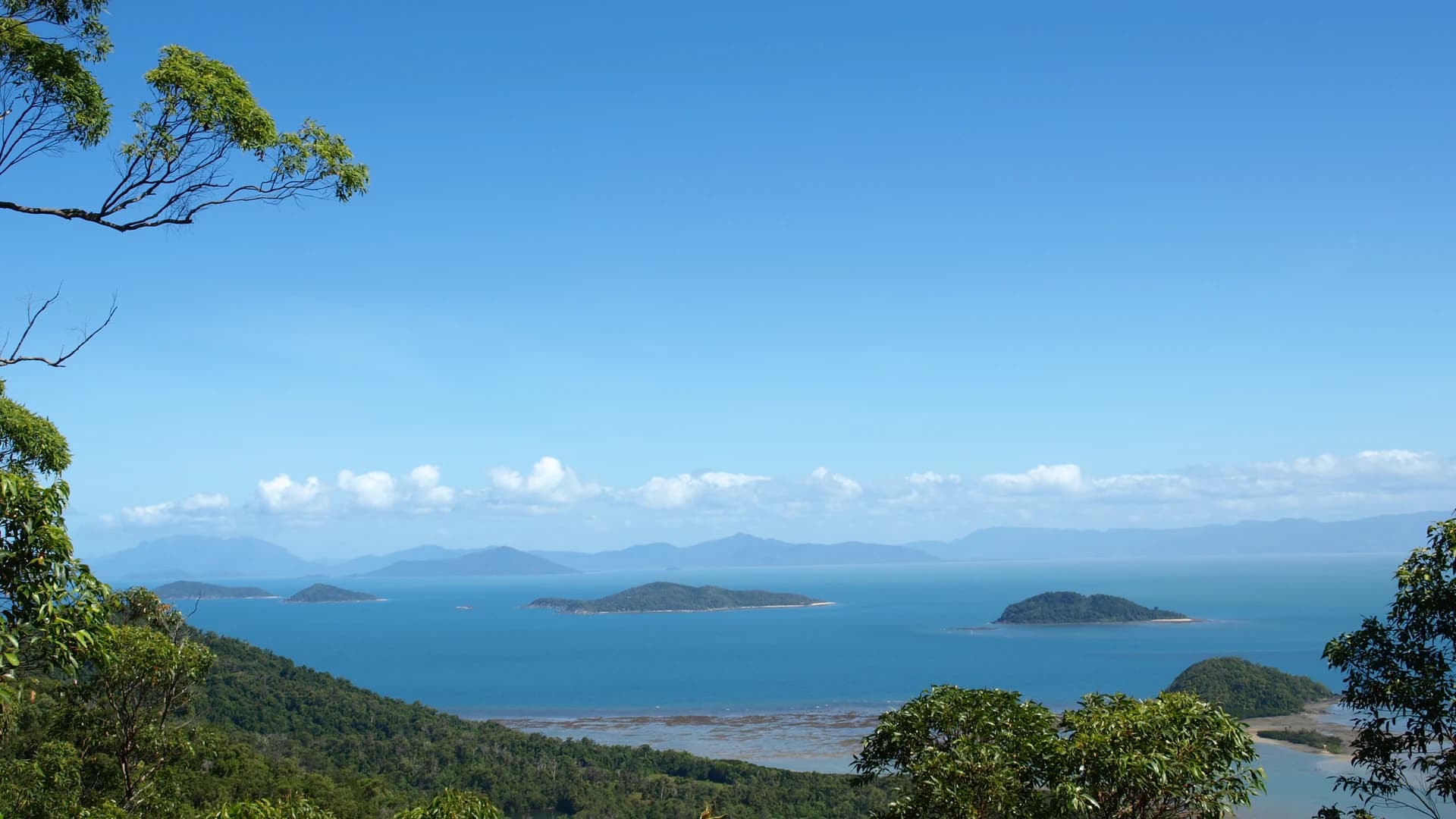
On the Great Barrier Reef, the islands where one resort is the only place to stay are national parks. Lizard Island Resort is the one to book: 40 rooms at the northern end of the reef, all-inclusive, with private beaches you reach by dinghy. Orpheus Island Lodge, off Townsville, is smaller still – 14 rooms and a helicopter ride in. Australia's other "private islands" mostly sell the whole island to one group.
Booking for live prices · Review for our take
| Hotel | From/night | Area | Best for | |
|---|---|---|---|---|
| Lizard Island Resort | ~AU$2,000 | Far north Great Barrier Reef | Best overall · 40 rooms · plunge pool villas · all-inclusive | Review ↓ |
| Orpheus Island Lodge | ~AU$1,500 | Off Townsville, central reef | Smallest · 14 rooms, 28 guests · national park island | Review ↓ |
Rates are per night for two, all-inclusive, before flights. Each is the only resort on its island – the test the private island resorts hub applies everywhere.
Which Australian private island should you book?
For most couples, book Lizard Island. It sits on the outer reef, has more beaches than guests can use, and its Oceanview Plunge Pool Villas give you a pool at the door. Check Lizard Island Resort availability first – 40 rooms is the whole resort, and the plunge pool villas go first.
If you want the smallest possible guest count and a shorter flight from the south, book Orpheus Island Lodge.
| Your trip | Book | Where | The trade-off |
|---|---|---|---|
| The full reef island, a pool at the door | Lizard Island Resort | Far north Great Barrier Reef | A charter flight from Cairns |
| The fewest guests, closer to Townsville | Orpheus Island Lodge | Off Townsville | No private pools in the rooms |
Lizard Island Resort
The one to book. Lizard Island is a national park island at the far northern end of the Great Barrier Reef, with a single resort of 40 rooms and villas. The rest of the island is reef, walking trails and beaches.
Most rooms don't have a pool. The Oceanview Plunge Pool Villas do – 59 m² for two, with a private plunge pool facing the Coral Sea. So do The Pavilion and the two-bedroom Villa. Gardenview Rooms and Suites, Beachfront Suites and Oceanview Villas go without.
The rate covers meals, drinks including alcohol, and use of the motorized dinghies – which is how you claim a beach for the afternoon. Rates start around AU$2,000 a night for two. Children must be 10 or older.
Book this one if you want the reef on the doorstep and a beach to yourself by lunchtime. Check Lizard Island Resort rates – ask for an Oceanview Plunge Pool Villa if the pool matters.
Orpheus Island Lodge
The smallest. Orpheus Island Lodge takes no more than 28 guests in 14 rooms, suites and villas, on an island that's otherwise national park. It's a 30-minute helicopter flight from Townsville.
The rooms are split between the North and South Beachfront wings – rooms, suites, and a North Beachfront Villa. None has a private pool. Instead there's a 25 by 13 meter infinity pool, a day spa and a reading room.
Meals, wine, beer, spirits and water-sports gear are all included, plus a daily guided experience. Rates start around AU$1,500 a night for two. The helicopter is billed separately.
Book this one if you want a small, quiet lodge with almost nobody else on the island. Check Orpheus Island Lodge rates.
Both islands also host a marine research station, and Lizard has a small national park campground reachable by private boat. Neither has a second hotel or resort.
Why Bedarra, Haggerstone and Pelorus aren't ranked
Australia has more islands marketed as private than it has private island resorts. Three well-known names don't pass this list's test.
Bedarra Island Resort is a lovely, 12-villa resort. But it shares Bedarra Island with private homes on East Bedarra, at least one of them rented out separately by another company.
Haggerstone Island in the far north sells stays in a handful of huts and villas, but its own site pushes whole-island bookings and we couldn't confirm a per-villa rate. Pelorus Private Island, Orpheus's neighbor, is sold for exclusive use only – one group at a time.
Why the Great Barrier Reef rarely does private islands
Most islands on the reef are national park. Building a resort on one takes a lease, and only a handful exist. Where they do, the resort is often the only accommodation on the island – but not always the only thing on it.
That's why this list is two. Both are all-inclusive, both are national parks, and Lizard is where we'd start. Check Lizard Island Resort availability.
Across the Coral Sea, Fiji has five private island resorts, and the Cook Islands has one on its own motu in Aitutaki's lagoon.
When to go
May to October is the dry season in tropical Queensland. Humidity is lower, seas are calmer, and underwater visibility is at its best. June to August is the coolest stretch.
November to April is the wet season, with heavier rain and cyclone risk that peaks from January to March. Light-aircraft and helicopter transfers can be disrupted, so leave slack around international flights.
FAQ
Images: Ventus / Wikimedia Commons / CC BY-SA 3.0